
Load Facts
Load, driver, unit, documents, proof, owner, and status are carried in one operating view.
Dispatch & Operations
See load intake, driver readiness, exceptions, proof, and release decisions in one joined operating record.
Operations Overview
Every load shows status, blocker, owner, and release consequence.Illustrative demo data shown for public operating context.
Operating Benefits
Load, driver, unit, documents, proof, owner, and status are carried in one operating view.
Assignment decisions see credentials, HOS availability, equipment gate, and carrier rules before release.
Proof gaps, at-risk loads, and blocked records explain the cause, owner, due date, and consequence.
Dispatch can see what must clear before a load moves, bills, or reaches settlement readiness.
Dispatch Dashboard Preview
POD and renewal evidence review requires dispatcher confirmation before billing release.
Dispatch Workflow
Dispatch works best when every load moves through one visible path: intake, assignment, readiness, tracking, exceptions, proof, review, and release.
Featured Cargo Securement Solution
BOF can make cargo-securement requirements part of the joined load record. Dispatch can assign the required securement method, provide driver instructions, capture installation proof, and review exceptions before the load is released.
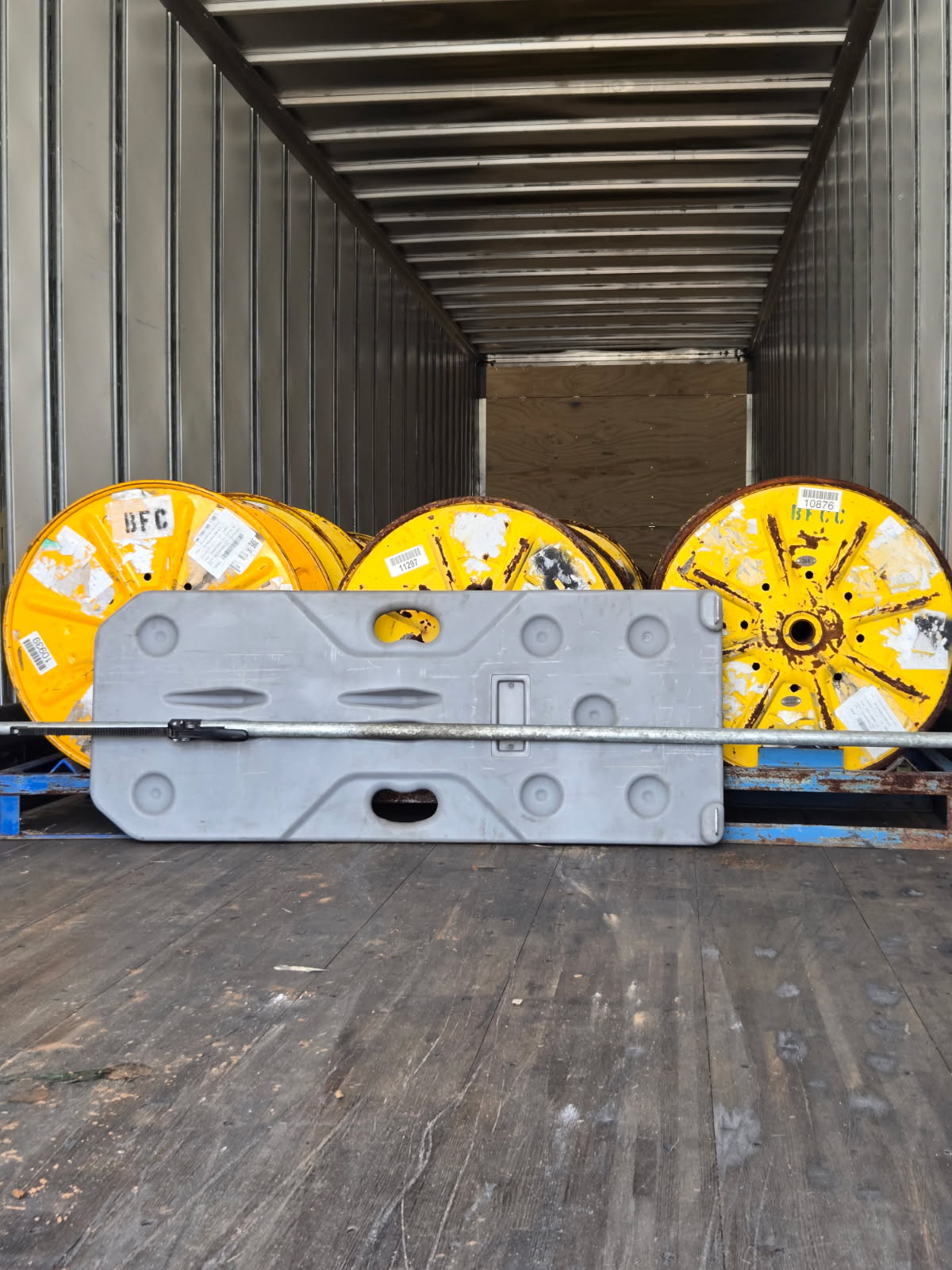
Illustrative operating data. Freight Brace is shown as an approved featured solution, not a guaranteed release, compliance, or damage-prevention outcome.
Proof and Exception Management
Capture shipper, lane, equipment, proof requirements, customer instructions, carrier constraints, and review owner before dispatch release.
BOL, POD, receiver evidence, seal photo, cargo securement, lumper receipt, and delivery notes stay attached to the load record.
Blocked, delayed, at-risk, and under-review loads show the cause and the exact route back to release.
Dispatch, safety, proof, settlement, and driver readiness all read from the same synthetic demo record.
See BOF in Action
The customer load-intake preview shows how load facts, proof needs, and release context can enter the same operating workflow.
Dispatch Readiness
The public page now points prospects toward the product behavior: what is blocked, why it matters, who owns it, and what clears it.